
From Fear to Hope: Changing Care-Seeking Behaviour in Communities
The Story of our 20,000th Baby neilla
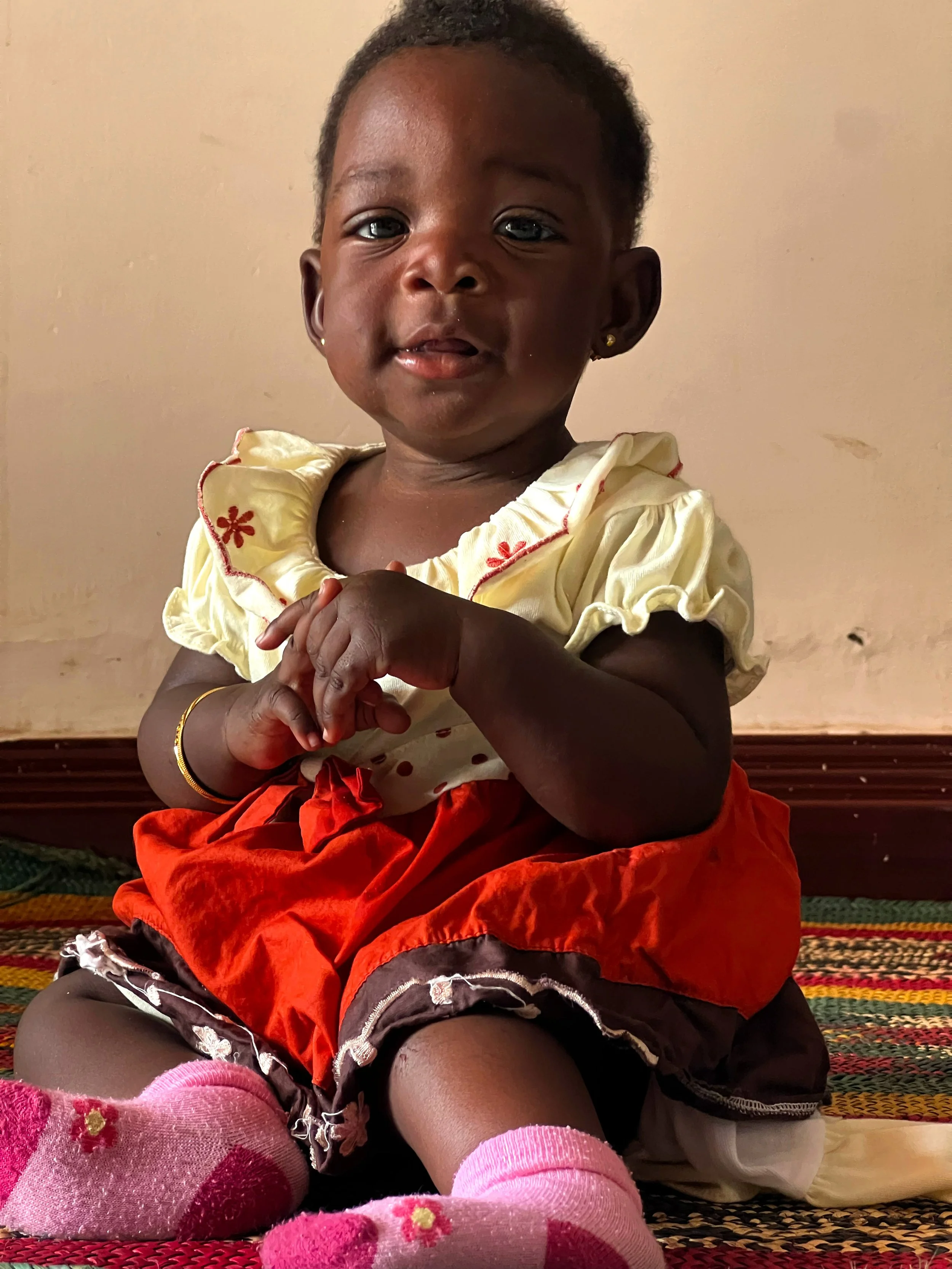
Baby Neilla, 7 months old
In all three countries where FREO2 operates, oxygen treatment traditionally carries a devastating stigma. When families hear "your baby needs oxygen," many believe it's a death sentence.
This perception exists for a reason. Delayed care-seeking means babies arrive critically ill. Poorly maintained concentrators deliver low-purity, non-medical-grade oxygen. Health workers lack proper training. And when power fails - which it does frequently - oxygen stops flowing. Lives are lost.
The community's "mindset" about oxygen isn't irrational. It's based on repeated tragedy.
But when one mother's experience changes, it can transform an entire community's understanding. This is the story of Baby Neilla - our 20,000th patient - and how her survival is helping rewrite the narrative around oxygen in rural Uganda.
“We have that mindset.”
Rehema, 32, runs a shop in Bundibugyo town, western Uganda, with her husband Said. In early 2024, approaching her due date with severe heartburn, she made a critical decision: "I cannot wait until April. Let me just go to the hospital."
At Bundibugyo Hospital, doctors performed an emergency caesarean section three weeks early. When Rehema woke, her first words were: "Where is my baby?"
Baby Neilla had been rushed to the NICU - struggling to breathe, with poor skin color. She needed oxygen.
"We have that mindset," Rehema says quietly. "We hear that if someone is put on oxygen, that person may die."
Rehema's firstborn had also been delivered prematurely in 2016, spending one month in hospital. At that time, she knew that Bundibugyo Hospital had no reliable oxygen supply. The memory haunted her. Before Neilla's birth, Rehema had only heard rumours about oxygen treatment - all negative. In her community, the common belief was clear: babies put on oxygen rarely survive.
“My baby was in a critical condition. I thought she was going to pass away. But when she was put on oxygen, her life changed.”
The Oxygen continuously flowed quietly and reliably.
But something was different this time. FREO2's Oxylink System was in place, piping low-pressure oxygen through to each bedside. There were no cylinders or noisy concentrators in the ward, just a calmer, quieter and more hygienic environment to support newborn treatment.
Within two to three days, Rehema noticed Neilla "started sucking milk, becoming energetic."
"Then I said, maybe the life of this baby has changed."
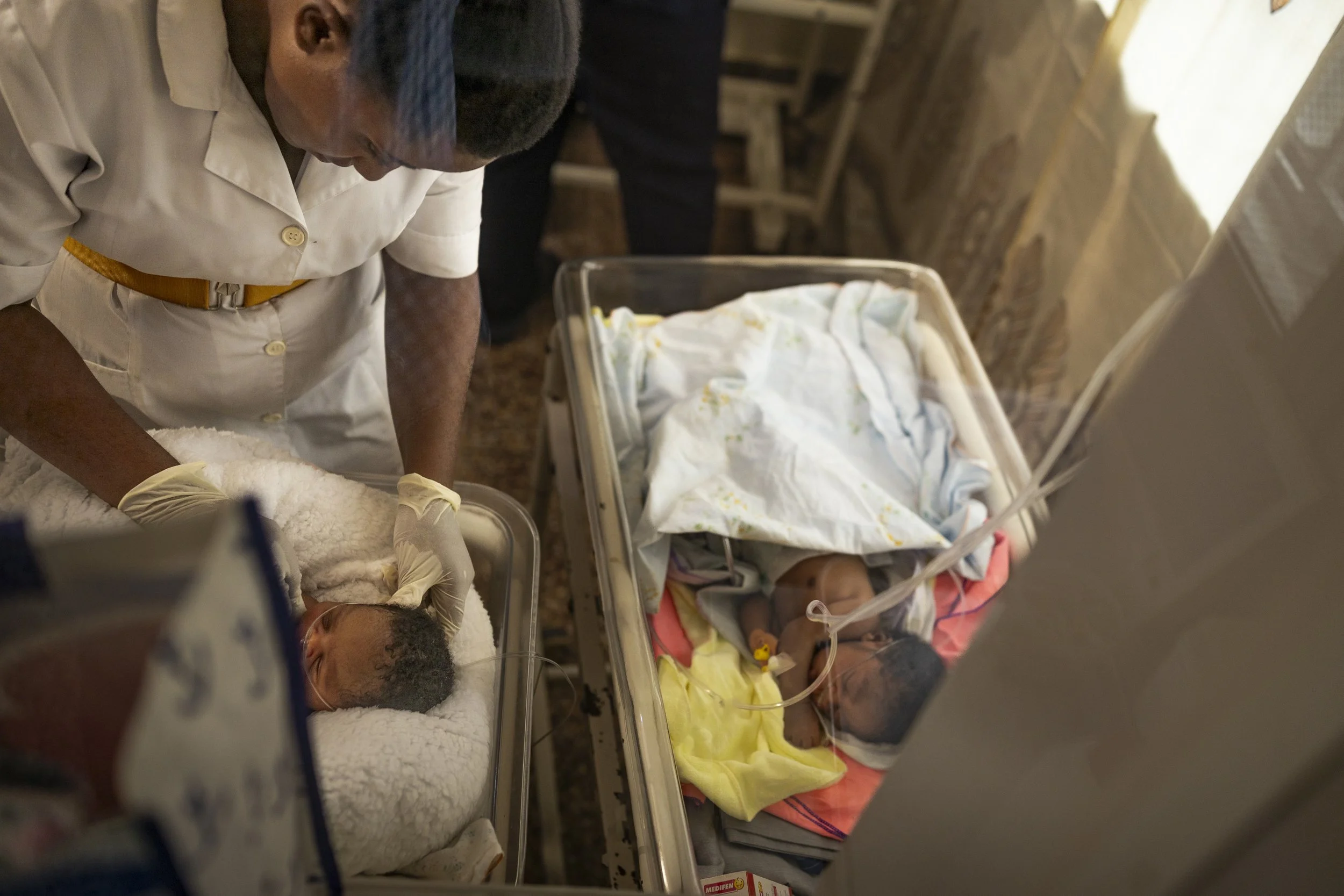
Sister Rita attending to newborns in the NICU ward at Bundibugyo Hospital
During their stay, Bundibugyo experienced the power cuts that are common across the region sometimes lasting 24 hours or more. The hospital's backup generator was old and unreliable. Solar power could only support light bulbs. But Rehema noticed something that gave her confidence (the TWOP, FREO2’s automatic back up innovation in action). "The moment the power was off, we could see no change to the oxygen flow."
The FREO2 Oxylink System's built-in prioritizer automatically detected outages and silently switched to a backup oxygen cylinder - keeping oxygen flowing without interruption.
"Me and my fellow [mothers] were not scared," Rehema says. They knew their babies would continue receiving the oxygen they needed. After seven days, doctors delivered the words Rehema had been praying for: Neilla was well enough to go home.
One Baby, One Community, System-Wide Change
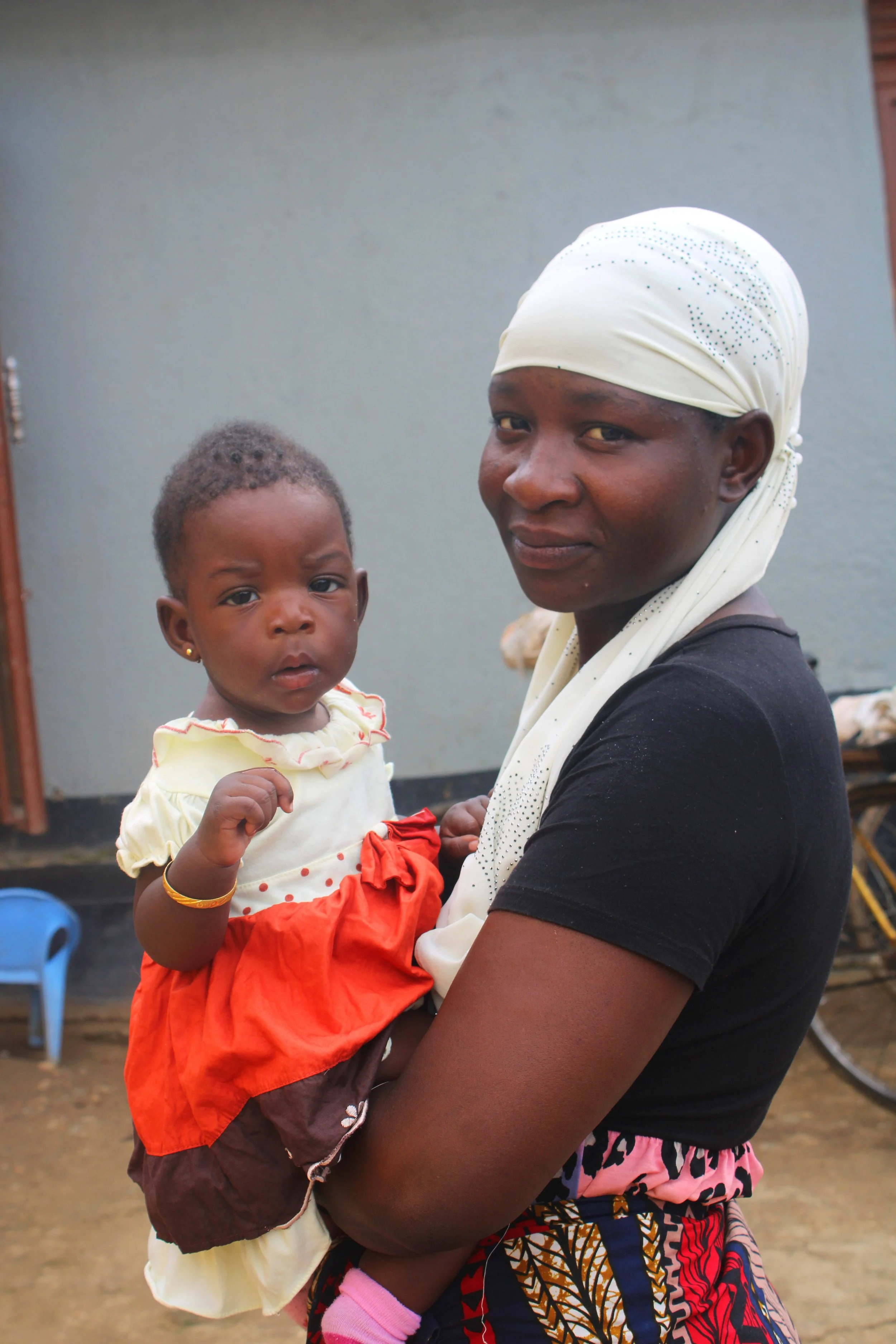
Baby Neilla (pictured left), and her mother Rehema (pictured right)
Today, Neilla is a healthy, thriving six-month-old. She receives regular immunizations, is attempting to crawl, and has never needed to return to hospital for breathing issues. "She's very healthy," Rehema says proudly.
But Neilla's impact extends far beyond her own recovery. When Rehema returned home with a healthy baby, neighbors who had visited her in hospital were astonished.
"I think they believed because my baby acted as an example," Rehema explains. "Everyone who had that bad mindset about oxygen saw it as a good thing."
Rehema now actively encourages other mothers whose babies may need oxygen. Her experience - and her willingness to share it - is helping shift community perceptions in Bundibugyo.
This is the systematic change FREO2 enables: One reliable system. One positive experience. One mother's story - rippling outward to transform care-seeking behavior across an entire community.
“What I know about oxygen is that it saves the lives of babies.”
The Bigger Picture
Since December 2024, the FREO2 Oxylink System at Bundibugyo Hospital has:
Provided oxygen to 5 beds simultaneously
Treated 184 babies and children
Trained 12 clinical staff
Switching to oxygen cylinders maintained 100% uptime through multiple power outages
By working closely with the Ministry of Health, FREO2 ensures essential healthcare is accessible for families across national health systems. The care baby Neilla received was free, easing a financial burden that too often stops families from accessing life-saving treatment.
As the 20,000th child to receive oxygen treatment enabled by FREO2, Neilla's story represents more than a number.
It represents the power of reliable, accessible oxygen to change outcomes, build trust, and transform how communities understand and seek care.
